 Plus500
Because of leverage, CFD positions can lose value faster than the market moves.
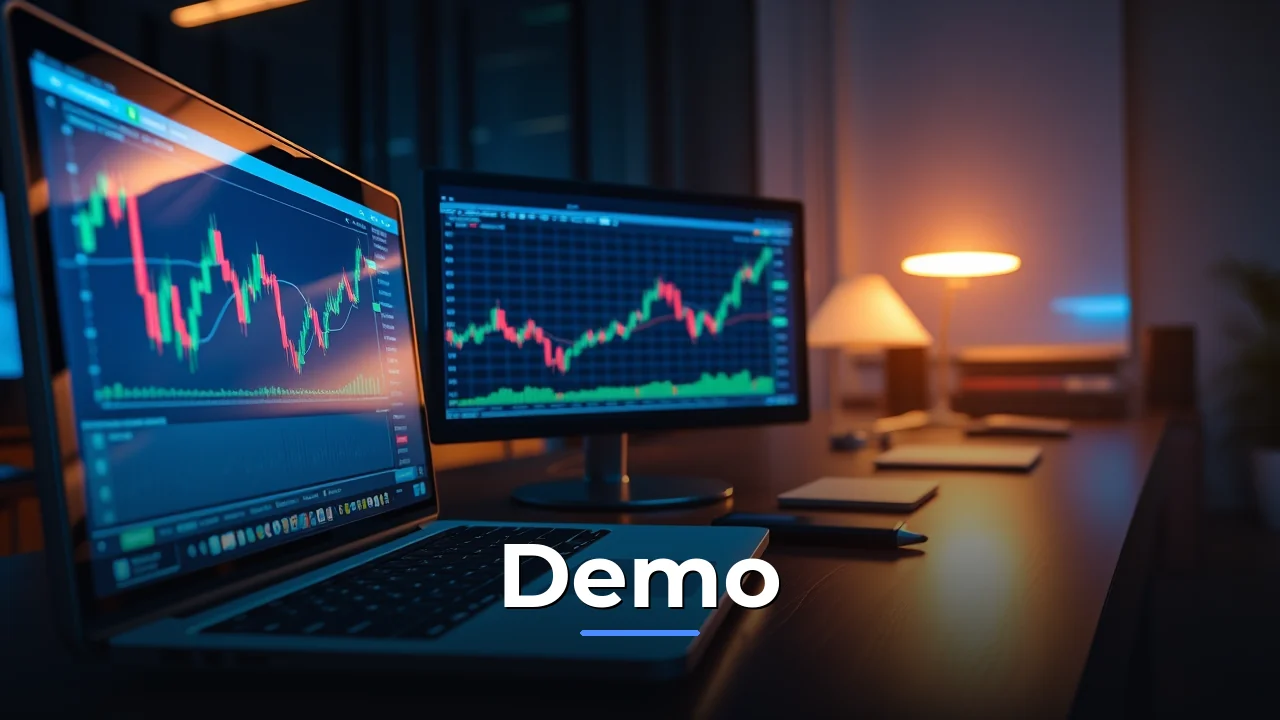
Starting with a demo is the safest way to see if Plus500's platform suits your style before you commit any real money. The demo account is free and comes with no time limit, but it has a few quirks worth knowing about. For a beginner in Kenya looking to understand CFDs, this is the place to start, but a demo can't fully prepare you for the emotional side of trading with real funds.
What You Get on the Demo
Plus500 gives you access to its entire trading platform with virtual money. You practice on the same interface you would use with a live account, including charts and order types. It's a single CFD trading account system, so there aren't different tiers of demo accounts to choose from. The virtual balance is a set amount that resets if you lose it all.
How the Practice Mode Works
When you open the Plus500 demo, you are trading with simulated funds. The prices you see are live market prices from the platform. This means you can test a strategy for trading indices or major forex pairs like NZD/USD without any financial risk. You get access to over 2,000 CFDs in this mode, which helps you explore different markets. It is a good way to learn how to navigate the proprietary platform.
The Biggest Limits of Demo
The demo is excellent for learning the mechanics, but it doesn't replicate real trading emotions. Winning virtual money feels different from watching real KES fluctuate. Plus, the demo does not always reflect real-world liquidity or slippage, which can make fills look more favorable than they might be on a live account.
The demo account only uses the Plus500 WebTrader platform. You cannot practice on MT4 or MT5 here, as Plus500 uses a closed system.
Why Practice Is Critical in Kenya
For traders in Kenya, the regulatory landscape makes practice even more important. Retail forex trading is legal and regulated by the Capital Markets Authority (CMA). Many offshore brokers serve the region without a local CMA licence. You want to be comfortable with the platform's execution speed and fee structure before choosing where to open a live account, especially since this helps you avoid costly mistakes with real money.
What Leverage Does to a Demo
A demo account lets you test how leverage works, but it often hides the risk. Plus500 offers leverage on its demo that may feel high, but under CMA rules, licensed brokers cap retail leverage at around 1:400 for major pairs. You won't feel the true pressure of a margin call with virtual money, so use the demo to learn how to calculate position sizes first.
The Transition to a Live Account
The jump from demo to live trading is where most beginners get caught out. On the demo, you might take trades with larger sizes because the risk feels abstract. When you switch to a live account, you need to be more conservative. The platform is exactly the same, but the stakes are different. If you have not been profitable on the demo after a few months, it is a signal to keep practicing instead of funding an account.
A demo account can help you learn the platform, but take time to verify any broker's regulatory status. Offshore brokers operating without a CMA licence offer no local client protection.
Cost and Fees to Learn
Even on the demo, you can see Plus500's cost structure. The broker is spread-only, meaning there's no commission, but the cost is built into the bid/ask spread. For example, NZD/USD starts from about 0.8 pips. You should watch for the inactivity fee of about USD 10 per month after three months of no activity, which is a hidden cost many beginners forget to check before leaving an account idle.
Who the Demo Is Made For
This demo works well for a beginner who wants to test Plus500's specific platform and see if its layout makes sense. It is also useful for an experienced trader who wants a free, unlimited environment to test a new strategy on indices or shares. It's a low-pressure way to look around.
Who Should Look at Alternatives
Traders who want to use MT4 or MT5 for automated trading won't find it here, as Plus500 doesn't support third-party integrations. If you prefer algorithmic trading, you should look for a bigger, strictly regulated international broker with a more open system. Also, if you need more advanced charting tools than what Plus500 offers, the demo will highlight this gap quickly.
The Real Difference Between Demo and Live
The biggest change isn't the platform; it's your psychology. On the demo, a losing trade is a lesson. On a live account, it is money out of your pocket. Kenyan traders filing taxes with the KRA will also note that trading profits are treated as ordinary income, which adds to the weight of knowing what you are doing. Use this free tool to build your routine: analyze the market, plan the trade, and stick to your rules before you trade with real funds.


Questions
Do I need to verify my identity to use the demo?
No, Plus500 does not require KYC documents for the demo account. You only need to go through the verification process when you are ready to open and fund a live trading account.
How long can I practice on the demo for?
There is no time limit on the Plus500 demo account. You can use it for as long as you like to build your skills. However, note that an inactivity fee applies to live accounts, not the demo.
Is the Plus500 demo account really free in Kenya?
Yes, the demo account is free and comes with unlimited virtual funds. You can open and use it without making a deposit or providing payment details. It is the same platform used for live trading.